Podcast Ad Spend Outlook Through 2030: What the VAB Report Means for Founders
Podcast advertising is forecast to take a larger share of US digital audio spending through 2030. That supports the case for podcast attention, but it does not prove that a founder's guest appearance will produce demand.
Research this article with AI
Follow Convokast on Google
Add Convokast to your Preferred Sources.
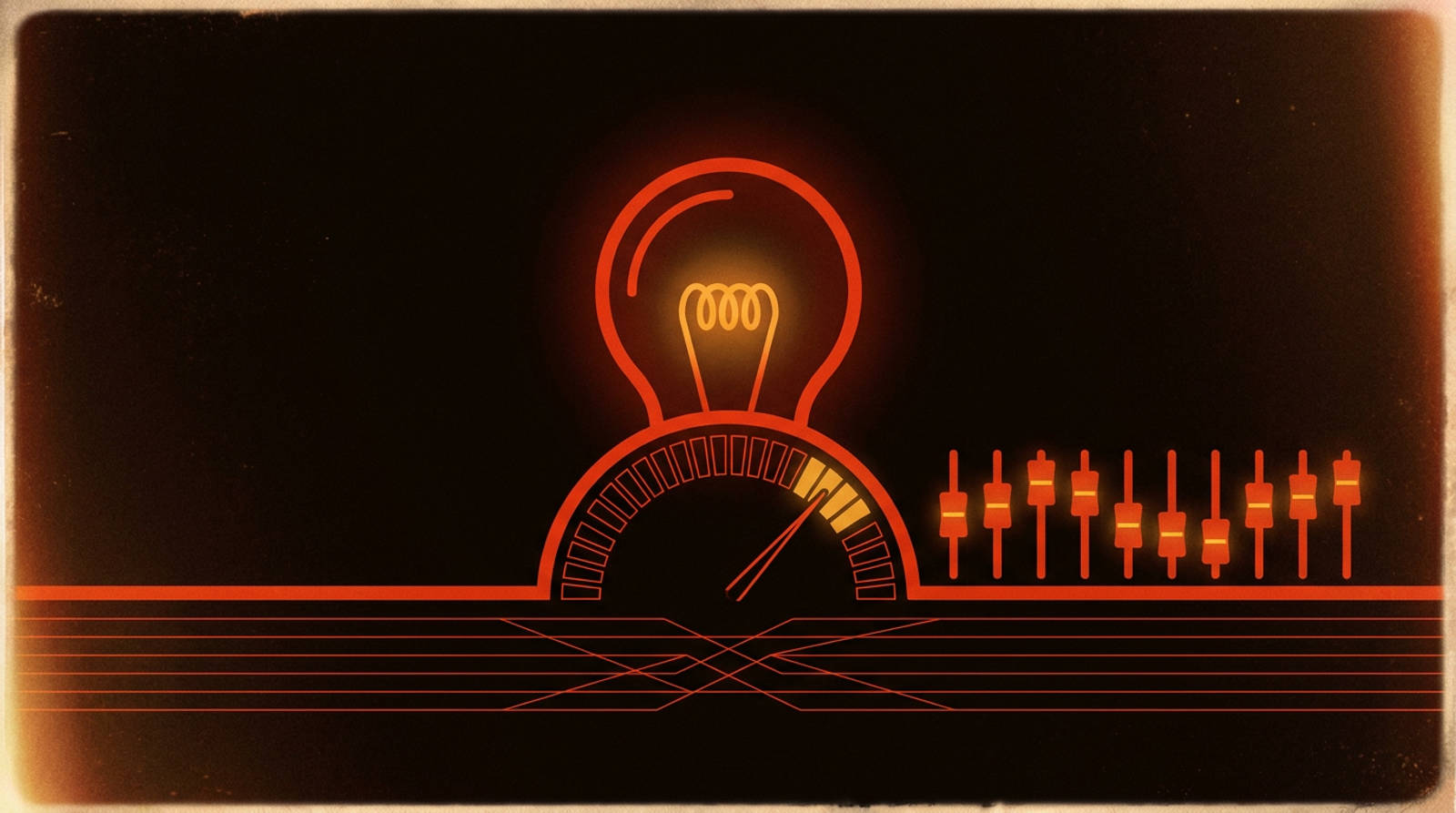
Podcast ad spend is forecast to keep growing through 2030, with audio podcasts taking a larger share of US digital audio budgets. That is useful evidence that advertisers value podcast attention. It is not evidence that one founder interview will create demand. Founders should read the outlook as market context, then judge each guest opportunity on audience fit, distribution, and measurable response.
The podcast ad spend outlook through 2030 points to a bigger share of digital audio
PPC Land's account of the VAB report says eMarketer forecasts US audio podcast advertising at $3.40 billion in 2026 and $4.69 billion in 2030. Podcasting's share of US digital audio advertising is projected to move from 42% to 48% over that period.
A forecast can show where researchers expect budgets to move. It cannot tell a founder which show reaches buyers, whether a host asks good questions, or whether listeners will act after hearing an interview. The forecast also covers paid audio advertising inside podcasts, not the return from an editorial guest appearance.
The category being compared is broad. PPC Land reports that eMarketer's digital audio definition includes digital revenue for broadcast radio, satellite radio, online radio, streaming music, podcast advertising, and sponsorship. The forecast is therefore best read as a shift within digital audio budgets, not as a claim about all advertising or all podcast revenue.
Video changes distribution, but the headline numbers need careful reading
The VAB report page describes podcasts as a cross-platform experience and says there are nearly 5 million active podcasts online. Its public page frames premium video platforms as destinations for podcast consumption, but the detailed report is gated. The public copy does not visibly state the spending forecast or the video-consumption percentages.
Those detailed figures come from PPC Land's review of the report. PPC Land says the VAB deck combines third-party work from eMarketer, Edison Research, Triton Digital, Magellan AI, Sounds Profitable, and other sources. It reports that 80% of weekly podcast consumers both watch and listen, 12% only listen, and 8% only watch, based on a spring 2026 Cumulus Podcast Network and Signal Hill Insights study. VAB adds the groups using video to reach its 88% figure.
That finding says weekly consumers encounter podcast content through video platforms. It does not say they watch every episode, prefer every video version, or discover every show on a television. PPC Land also reports Edison data showing TV use for podcast consumption at 13% in the first quarter of 2026. Most video use therefore still happens outside the living-room TV context.
For a founder, the practical implication is modest: check where the full episode will live. A show may publish to an open audio feed, a video platform, its own site, and short-form channels. Broader distribution can create more discovery opportunities. It does not repair a poor audience match. The Convokast podcast directory is a better starting point for comparing show relevance than assuming any video show has greater business value.
VAB has an interest in the conclusion it presents
VAB represents premium multiscreen television providers and distributors. Its report argues that podcasts have become audiovisual inventory suited to the platforms its members operate. That does not make the compiled research useless. It does mean readers should separate the underlying studies from VAB's commercial interpretation of them.
PPC Land notes that the deck combines spending forecasts, audience surveys, advertising benchmarks, and platform deal coverage. Those sources answer different questions. A spending projection estimates future budgets. Survey results record what respondents say, while a platform agreement shows distribution activity. Keeping those measures separate stops a market trend from being mistaken for a campaign result.
The same caution applies to advertising-effectiveness material. Paid podcast ads have defined placements, media budgets, and measurement systems. An editorial interview is a long-form conversation in which the founder has to earn attention. Evidence about ad response can inform expectations about the medium, but it should not be presented as a guesting conversion rate.
This is why last-click attribution under-reports podcasts. A listener can hear an idea, remember the speaker, and search later without leaving a clean referral path. Weak attribution does not justify claiming every later inquiry. It calls for a measurement plan that distinguishes direct evidence from directional signals.
Founders should use the outlook to improve show selection
A rising market can attract stronger producers and broader distribution. It can also bring more inventory, more ads, and more shows competing for the same listener. Qualification becomes more important as the available supply grows.
Start with the audience decision. Identify the buyer or stakeholder the conversation needs to reach. Then inspect recent episodes for topic depth and guest fit. A business show with a clear niche may be more useful than a larger general-interest show whose audience has no reason to care about the founder's expertise.
Next, confirm the distribution details in writing. Ask where the complete episode will appear, whether audio and video versions publish together, how long the episode stays available, and what the show normally includes in its notes. These are operational facts, not guarantees of reach.
Finally, look at the editorial environment. Heavy ad demand may validate the category, but a crowded episode can leave little room for the guest's argument. Listen to recent releases. Note whether the host develops ideas or moves quickly between sponsor segments. Show selection still depends on the actual listening experience.
Convokast's booking process puts target approval before pitching, which matters here. Format labels and market forecasts should inform a target list, not override the founder's judgment about where they want to appear.
Measure the appearance for a full month without pretending attribution is exact
Set the measurement window before the episode airs. A full month is a useful first review period because listeners may encounter the conversation after release rather than on publication day. Keep recording explicit episode mentions after that window too, since a useful interview can remain available for much longer.
Capture the strongest evidence first. Log any prospect who names the show or repeats a specific point from the conversation. Use a tagged link in the show notes when the producer allows it. Record qualified inquiries and relevant introductions against the episode. Compare branded search and direct traffic around publication, but label those movements as directional unless a stronger connection exists.
Do not turn unrelated pipeline movement into an episode result. A sale may involve several contacts, prior brand familiarity, and a later referral. The guide to measuring podcast guesting ROI explains how to combine direct evidence with imperfect signals without manufacturing a precise return.
The useful conclusion from the VAB material is narrow. Podcast attention is attracting more advertiser interest, and video is widening distribution. A founder can respond by checking more distribution surfaces and documenting responses for a full month, while still rejecting shows that lack buyer fit.
If you want target research and outreach handled while you retain approval over every show, talk to Convokast about a guesting campaign.
Common questions
What does the podcast ad spend outlook mean for founders?
It suggests advertisers expect podcast attention to remain commercially valuable. It does not show that an individual founder interview will generate leads, so founders still need to judge each show by audience fit, editorial quality, distribution, and observable responses after publication.
Does growth in podcast advertising prove podcast guesting works?
No. Advertising forecasts describe expected spending across a market. Guest interviews are editorial appearances with different goals, calls to action, and attribution limits. Treat ad market growth as context, not as proof of a guesting outcome.
Should founders prefer video podcasts over audio-only shows?
Not automatically. Video can add discovery surfaces and visual reuse, while audio can still reach the right buyer in a focused setting. Choose the show whose audience, topic, and distribution match the business rather than selecting by format alone.
How long should a founder measure a podcast appearance?
Use a full month after publication as the first review window, then keep recording later direct mentions and influenced opportunities. Compare branded search, tagged visits, inquiry notes, and qualified conversations without assigning every movement to the episode.
Keep reading

Podcast Ad Response Builds Beyond the First Week: Q2 2026
Podcast advertising data shows that response keeps building after the first week. Founders can use that timing to set a more defensible guest measurement window, without treating ad results as proof of guesting outcomes.
Read more
Podcast Interview Topics for Fintech Founders
Practical podcast interview topics for fintech founders, with evidence, disclosure, confidentiality, and personal-advice tests for rejecting weak ideas.
Read more
Is Podcast Guesting Worth It for Fintech Founders?
A candid decision guide for fintech founders choosing whether to run podcast guesting themselves, use managed booking, or skip the channel for now.
Read moreWork with us
Want to be the guest, not the reader?
We pitch, book, and prep you for the shows your buyers already listen to.
Free 20-minute call. If we are not a fit, we will say so.