Why Podcast Audience Size Is The Wrong Filter For Choosing Which Shows To Pitch
Chasing download numbers wastes pitching time on shows that reach the wrong people, and the number itself can't be verified from outside anyway.
Research this article with AI
Follow Convokast on Google
Add Convokast to your Preferred Sources.
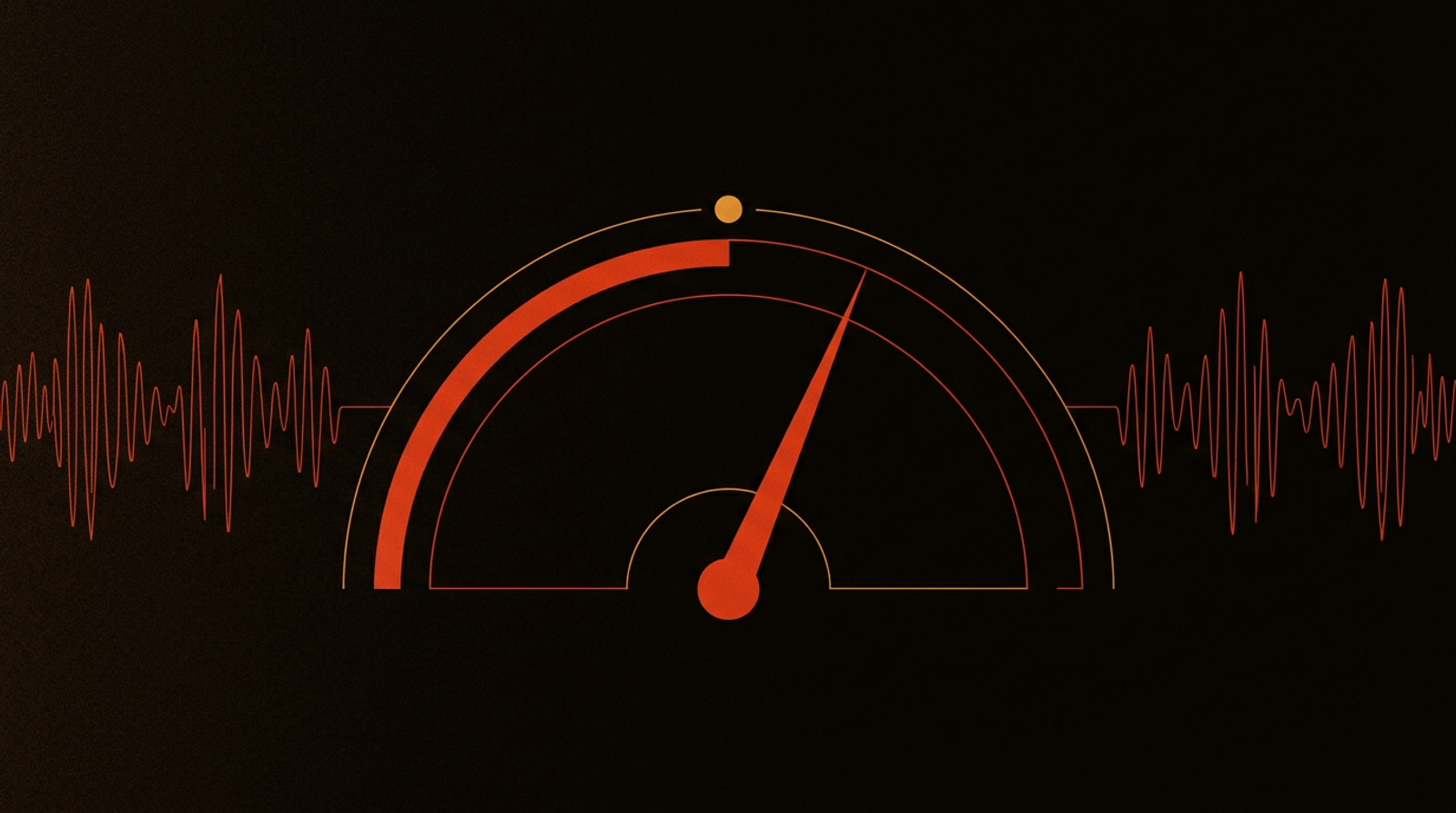
Podcast audience size is the wrong filter because a download number tells you almost nothing that matters: not whether those listeners are your buyer, not whether the host actually engages them, and not whether you would even get accepted. A show with three thousand weekly listeners who are all your target buyer beats a show with thirty thousand listeners who aren't, every time.
Why does a big download number feel like the safe choice?
Chasing the biggest number is a vanity-driven mistake. It feels like due diligence. You sort a list of shows by downloads, pick the ones at the top, and pitch those first. It isn't due diligence. It's a shortcut that trades your limited pitching time for a metric you can't verify and that doesn't predict whether the show will move your business at all.
Founders do this because a big number is easy to compare and easy to justify to a colleague later. Relevance is harder to compare at a glance. It takes actually listening to an episode or two. That extra effort is exactly why it's the better filter, not a reason to skip it.
Can you actually trust the download number a host shows you?
A podcast download is not one standardized measurement. Apple Podcasts, Spotify, and a show's own hosting platform each count plays differently, and most hosts report whichever number looks best without saying which platform it came from. The download threshold a show claims to have cleared is usually self-selected, not audited.
Even where standards exist, they are voluntary. The IAB Tech Lab certifies podcast measurement practices against its own compliance guidelines, and hosting platforms apply for that certification one at a time, on their own schedule (IAB Tech Lab, 2026). A show that isn't on that certified list isn't necessarily lying about its numbers. It just means nobody outside the host has checked them.
And the baseline is smaller than most pitch lists assume. Buzzsprout's own platform data puts the median podcast episode at roughly 27 to 28 downloads in its first seven days (Buzzsprout, 2026). Most shows you'll find through a directory search are running near that median, not near the outliers that dominate the top of any category chart. If your filter is "big audience," you are filtering for a small, unrepresentative slice of the podcast landscape, using a number you can't check in the first place. For exactly what the number counts and doesn't, see what a podcast download actually counts.
A huge audience that isn't your buyer is wasted reach
Say a show clears fifty thousand downloads an episode. If those fifty thousand people are consumer app users and you sell compliance software to hospital procurement teams, the number is decoration. None of it converts. The show would need to reach a fraction of that size in the right vertical to be worth the pitch.
This is the case for audience overlap over audience size. Overlap asks a narrower question: of the people who actually listen to this show, how many look like your buyer? A niche show with a tight, relevant audience routinely beats a broad one on lead quality, because every listener who hears the interview is already close to the problem you solve. See niche podcast for how to spot one worth pitching.
What to check instead of download count
Four things matter more than the number on the show's media kit.
Audience overlap comes from the show itself, not a claim. Read the last ten to fifteen episode titles and guest list. If the topics and guest job titles look like your buyer, the overlap is real.
Host engagement shows up in whether the host replies to listener comments, runs a newsletter tied to the show, or references audience questions on air. A host who ignores their own audience won't work hard to connect you to it either.
Format fit is whether the show's structure matches what you need. A ten-minute solo-format show won't give you the airtime a forty-minute interview show will.
Acceptance odds come from the guest history. A show that only books celebrities and bestselling authors will not book an unknown founder, no matter how relevant the pitch. A show that regularly books first-time guests in your space is a realistic target.
Download count vs better filters: what each actually tells you
| Filter | What It Actually Signals | Why It Beats Raw Download Count |
|---|---|---|
| Download count | Self-reported volume, counted differently by every platform | Doesn't confirm the audience matches your buyer, and can't be verified from outside |
| Audience overlap | Whether the show's listeners resemble your ICP | Ties directly to pipeline instead of a vanity number |
| Host engagement | Whether the host actively connects with their own audience | Signals whether the show converts attention into action for a guest |
| Format fit | Whether the show's structure suits an interview at all | Determines whether you get real airtime for your message |
| Acceptance odds | How likely the show is to book someone with your profile | Determines whether the pitch is worth spending on at all |
How should you actually vet a show before you pitch it?
Attribution for podcast guesting is genuinely weak after the fact. It depends on the show, the topic, and the buyer, and it is rarely cleanly measurable in a spreadsheet. That's the argument for front-loading the filtering work instead of hoping a big-audience show will sort itself out later. For what can be measured after a placement, see how to measure podcast guesting ROI.
In practice, vetting a show takes about the same time as reading its download stats: listen to one recent episode, skim the last ten guest names, and check whether the host talks to their audience anywhere public. That's a faster, more honest filter than any number on a media kit, and it's the filter that actually predicts whether the pitch was worth sending.
Which filter should you actually use?
Size answers a question nobody asked: how many people downloaded an episode, counted by rules that vary by platform and confirmed by no one outside the host. Overlap, engagement, format fit, and acceptance odds answer the question that matters: will this specific show, with this specific audience, actually move your business if the pitch lands. Every target show Convokast pitches on a client's behalf gets approved by that client first, on relevance, not on a downloads column, as part of the flat $499-a-month engagement with one guaranteed interview a month as the floor. If you'd rather hand this filtering to someone who checks acceptance odds and overlap before every pitch goes out, get in touch.
Common questions
Is a bigger podcast audience always better for guest pitching?
No. A large audience only helps if a meaningful share of it matches your buyer, and a download count does not tell you that. A show with a smaller, tightly matched audience usually produces better guesting outcomes than a much bigger show with the wrong listeners. Audience overlap and host engagement predict results better than raw size.
Can I trust the download number a podcast host reports?
Not fully. Apple Podcasts, Spotify, and a show's own hosting platform count downloads differently, and most hosts share whichever number looks strongest without saying where it came from. Only a subset of hosting platforms have gone through independent measurement certification, so an uncertified number is not necessarily false, it is simply unverifiable from outside. Treat any download figure a host volunteers as a marketing claim, not an audited metric.
What should I check instead of a podcast's audience size before pitching?
Check audience overlap by reviewing recent episode topics and past guests to see if they resemble your buyer. Check host engagement by looking for genuine replies to listener comments or an active community around the show. Check format fit, whether the show runs long interviews or short solo takes, and check acceptance odds by seeing whether the show has booked founders like you before. These checks take a few minutes and predict results better than a download count.
Keep reading

Is Podcast Guesting Worth It for Manufacturing Leaders?
A fit test for manufacturing and industrial leaders: the three conditions that have to hold before podcast guesting is worth the time, and who should skip it.
Read more
Podcast Interview Topics for Health and Wellness Founders
Topic angles for supplement, device, app, clinic and practitioner-training founders that a host can actually run, built on mechanism, adherence and evidence quality instead of on what the product does for a customer.
Read more
Is Podcast Guesting Worth It for Health and Wellness Founders?
A decision guide for founders of supplement brands, wellness apps, clinics and practitioner training businesses. The deciding factor is whether you can talk about your category for an hour without making a claim you cannot support.
Read moreWork with us
Want to be the guest, not the reader?
We pitch, book, and prep you for the shows your buyers already listen to.
Free 20-minute call. If we are not a fit, we will say so.